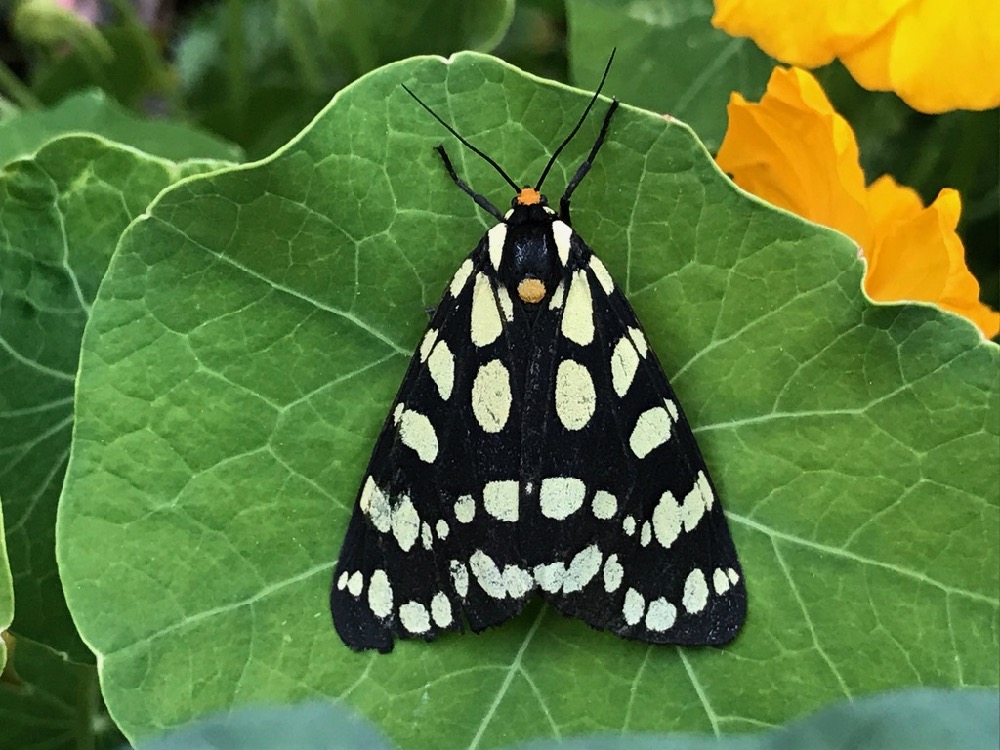
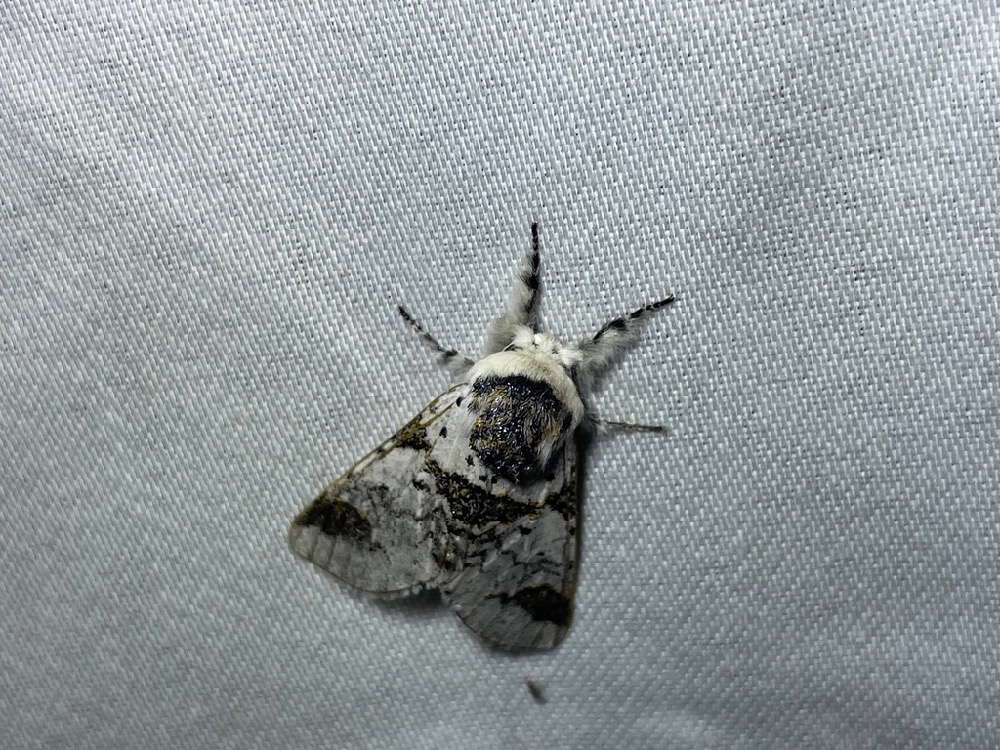
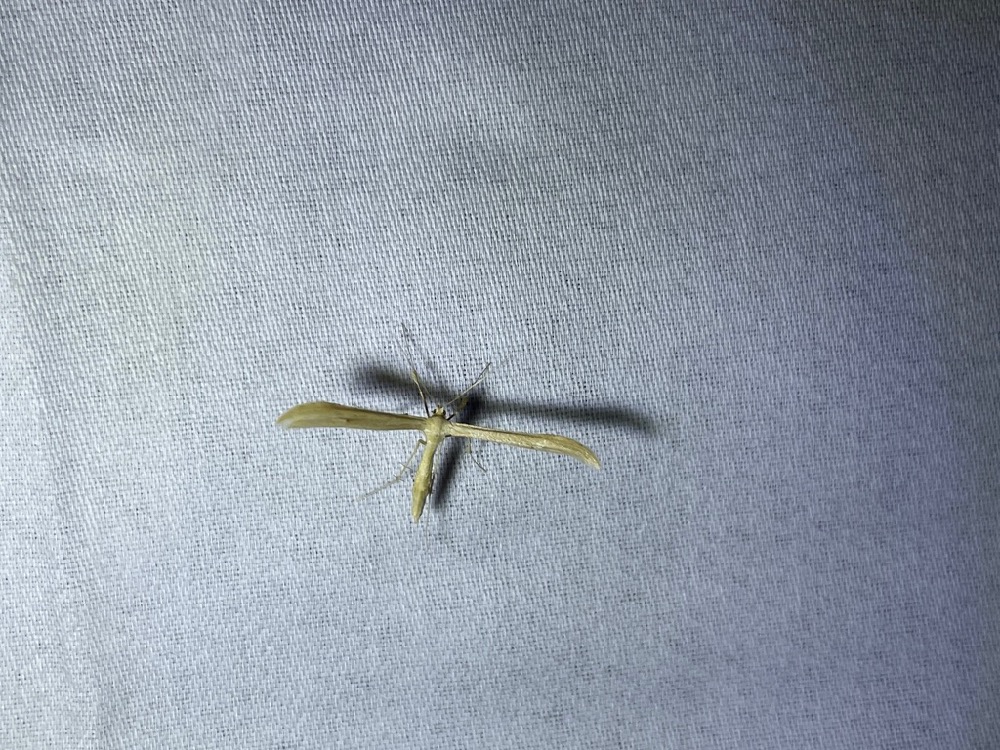
The Siskiyou Crest Moth Project is studying the moth diversity of the Siskiyou Crest region along the border of northwest California and southwest Oregon, through scientific research and community science.
The Siskiyou Crest region is renowned for its botanical diversity and corresponding insect diversity. The Siskiyou Crest Moth Project (SCMP) is setting out to identify the moth species that live, reproduce, and/or migrate through the Siskiyou Crest region. With varied geology and topography, our study sites will vary from low elevation chaparral, oak woodland, mixed conifer and riparian areas, to high elevation ridgelines, meadows and subalpine forests, as well as serpentine habitat.
Moths are a little-known fauna, but we want to change that! We are hoping to make the names and identification of moths of the region on par with that of other, more well-known insects and pollinators, such as bees and butterflies.
The SCMP will create a moth species list for the Siskiyou Crest region, along with geospatial data for the moth collections. All samples will be added to the Oregon State Arthropod Collection at Oregon State University, and the findings will be detailed in a scientific paper that will result from this long-term study.
North America is home to more than 12,000+ species of moths. That is a huge number, compared to only 800+ species of butterflies. Butterflies actually evolved from moth ancestors.
There are likely over 1000 species of moths that call the Siskiyou Crest home. How many moth species do you know and how many can you name?
Read on to learn why moths are important and how you can help!

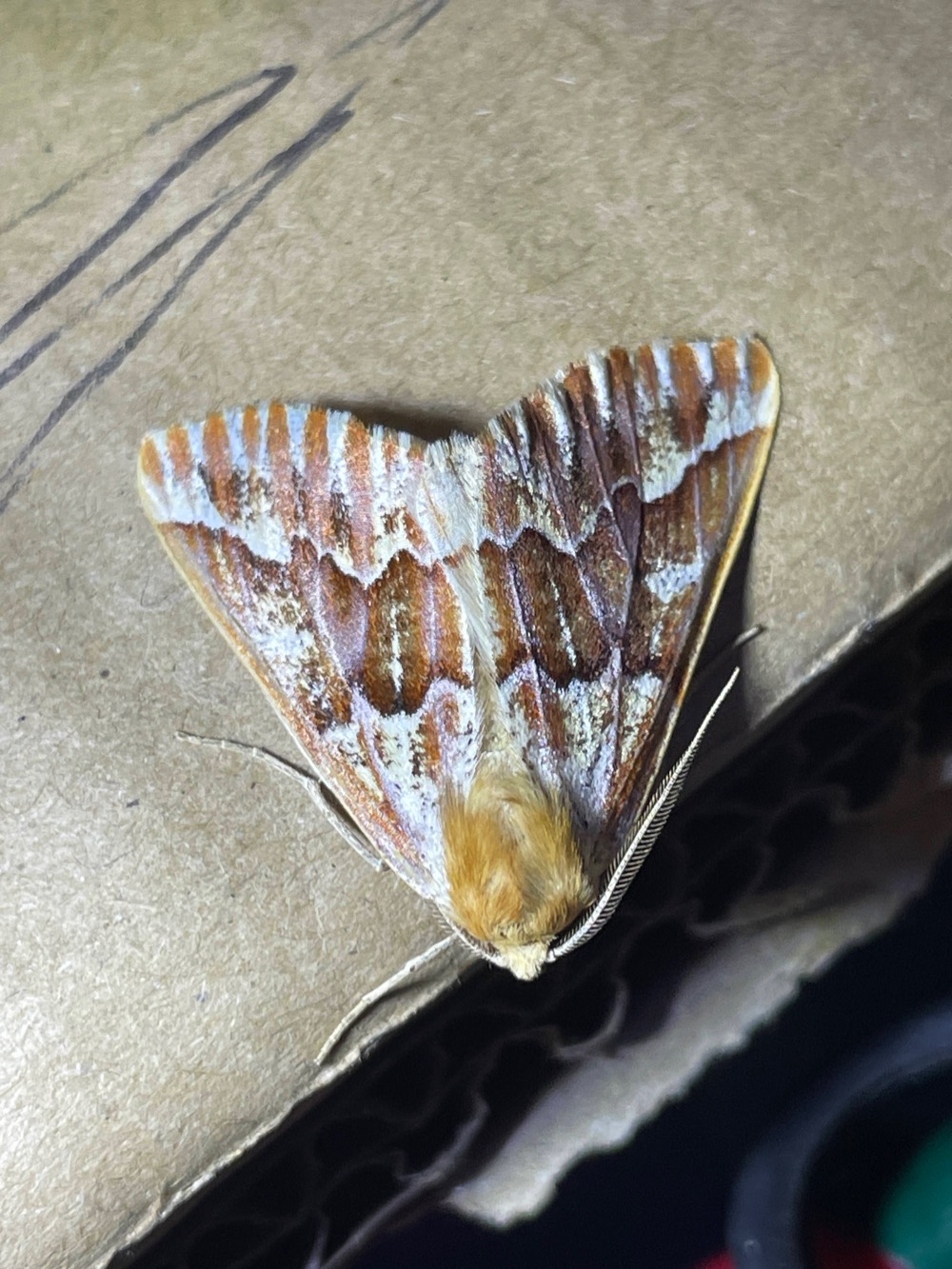
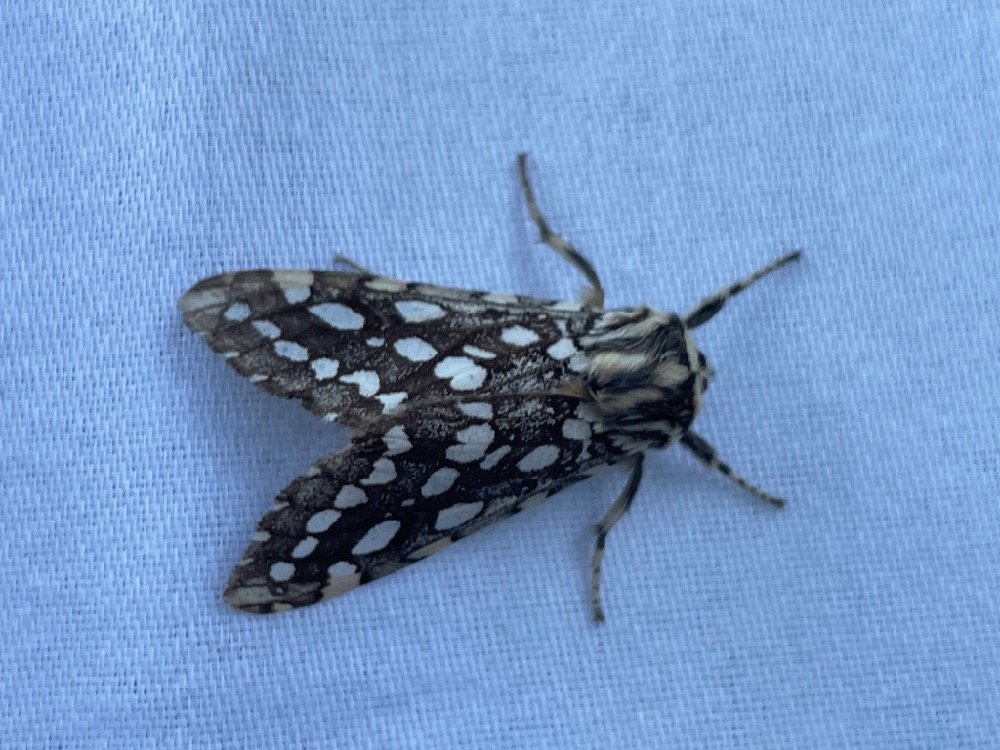
Siskiyou hadena (Hadena siskiyou)
The Siskiyou Crest is home to many rare and endemic plant species, and the same is true with moths. This study will look for endemic moth species, such as the Siskiyou hadena moth (Hadena siskiyou), whose range is primarily restricted to the Siskiyou Mountains. We may even find moths that are currently not known to science. The SCMP expects to unveil new discoveries that highlight just how much we have yet to learn about the countless species that call the Siskiyou Crest home.

BECAUSE MOTHS ARE BEAUTIFUL & ECOLOGICALLY IMPORTANT
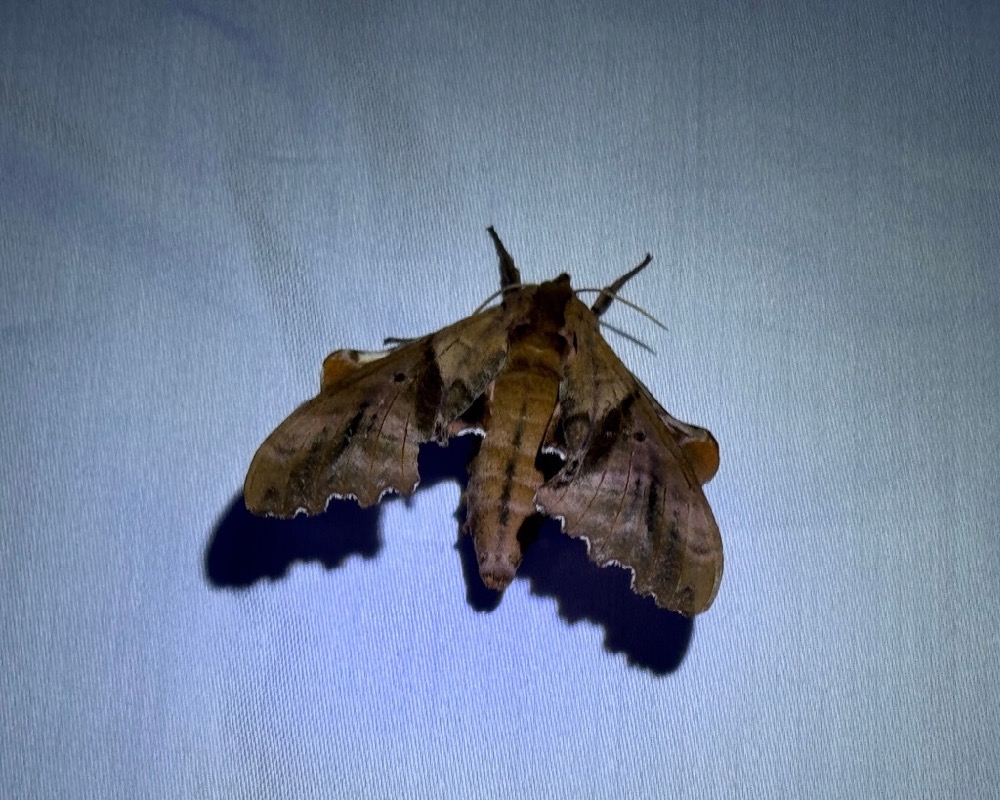
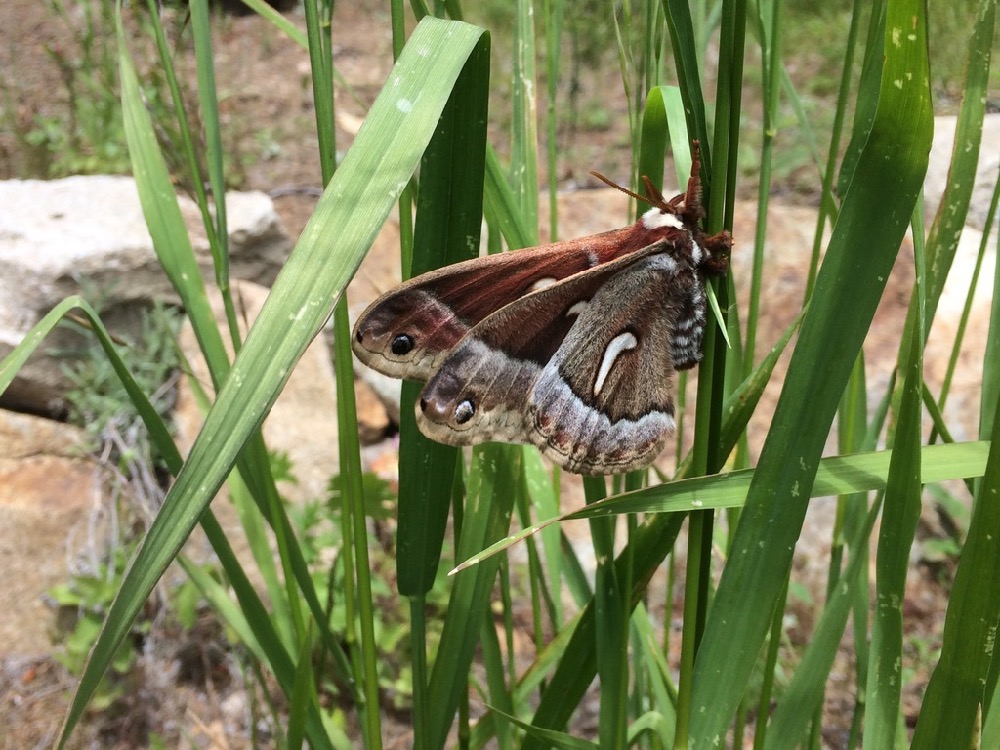
Mendocino silk moth (Calosaturnia mendocino)
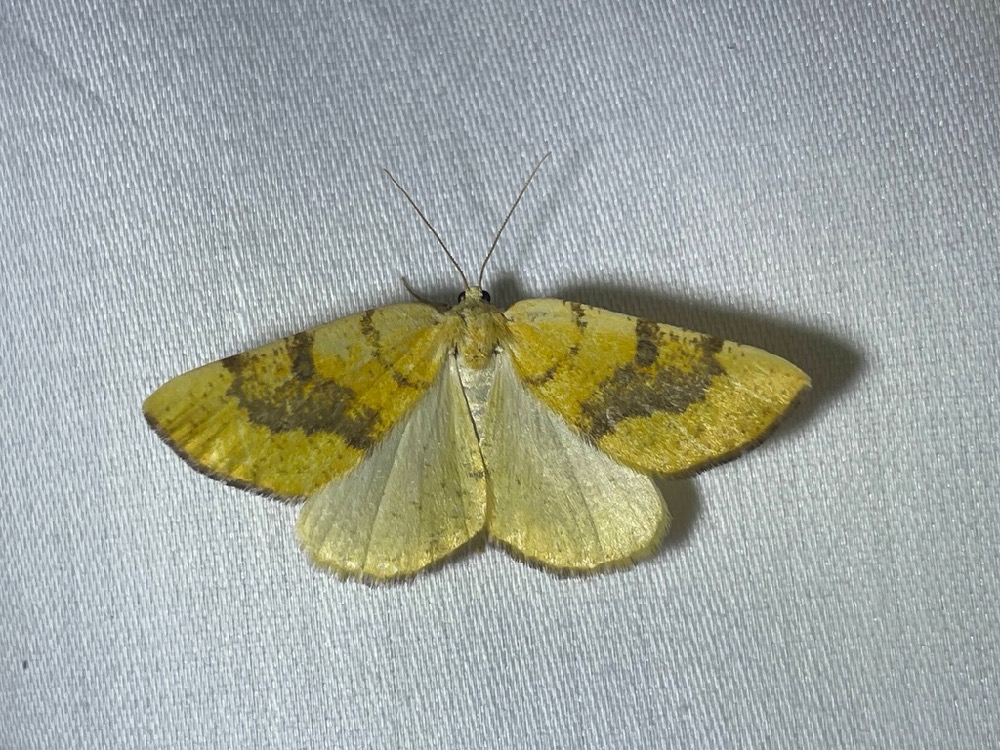
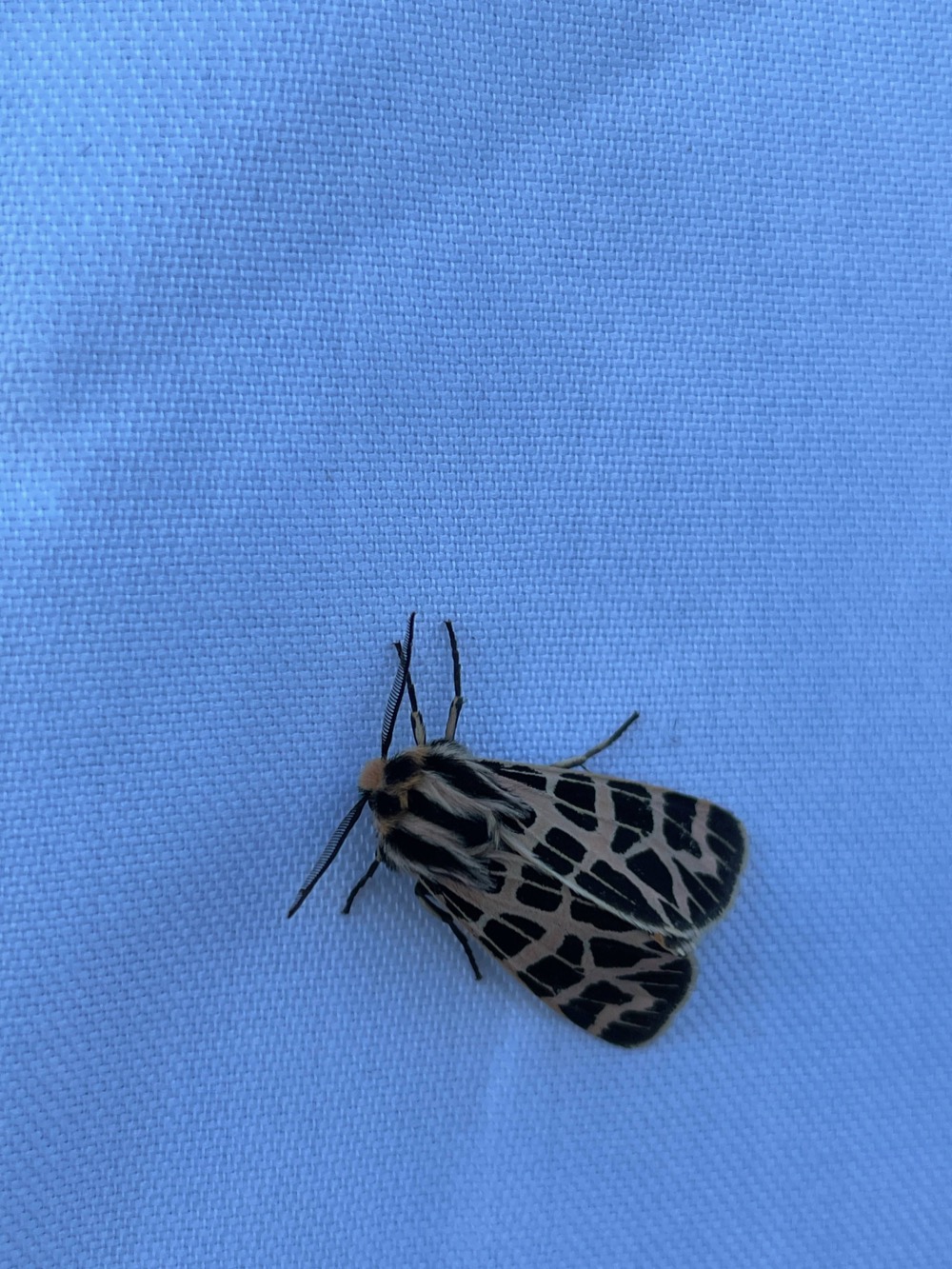
There’s a common misconception that moths are only active at night and that they are not very colorful, when in fact, many species are actually diurnal, or day-active, and can be large and very colorful. Some moth species feed on flowers, sap, or “puddle” at the same time that butterflies do, during the day, so they’re often confused for butterflies.
Moths are not only beautiful; they are important parts of the ecosystem. Modern research is showing moths are just as important for pollination as many bee and butterfly species. One study found that nocturnal moths visit more plant species than day active bees do, highlighting that moths should be given at least an equal amount of credit for being important pollinators. But because most moths are strictly nocturnal they have been studied less and are not elevated as species for conservation concern.
Most moths are major herbivores—in the caterpillar stage—and are important for nutrient recycling in native ecosystems. They are also critical food sources for many species such as birds, bats, rodents, reptiles, amphibians and more.
There is so much more we need to learn about moths and their importance in the ecosystem, and the SCMP is here to help increase the knowledge about moths in the Siskiyou Crest region.
SCMP Scientific Research

Dana Ross

Dana Ross
The Siskiyou Crest Moth Project will be implemented with lepidopterist Dana Ross as project lead. Dana Ross is a recognized expert in Pacific Northwest butterflies and moths (Lepidoptera). His life-long amateur interest in these insects eventually led to an M.S. degree in Entomology from Oregon State University under Dr. Jeffrey Miller. Dana currently holds a Courtesy Faculty position within Oregon State University’s Department of Integrative Biology where he serves as a curator of Lepidoptera at the Oregon State Arthropod Collection.
Working with taxonomist Dr. Paul Hammond since 1994, Dana specializes in documenting moths at important ecological sites, on both public and private lands, which have included many of region’s national wildlife refuges, BLM and USFS land, non-profit nature preserves, and perhaps most notably Crater Lake National Park and the Oregon Caves National Monument and Preserve.
Dana will provide the expert moth identification services needed to aid the volunteers and community science efforts. He will identify and assession all the moth samples collected by SCMP volunteers into the carefully curated SCMP drawers at the Oregon State Arthropod Collection.
SCMP Community Science


The SCMP will utilize community science, with the help of potentially hundreds of volunteers over several years, that will increase the capacity of the project and the amount of moth samples and observations.
Moth nights at the various SCMP study sites will be open to the public at various times of the year for volunteers and local community members to come help contribute to science. Sign up to stay informed!
Volunteers will utilize a moth sampling method that lures moths to a sheet with black lights. Moths can then be taken as samples in glass vials for identification and inclusion in the Oregon State Arthropod Collection at Oregon State University.
Our study unfortunately requires euthanizing the moths. We do so consciously and carefully, as we really love the moths, but we recognize that sometimes it’s necessary to kill insects at a small scale to contribute to the scientific understanding of the species. Many moths require close inspection of wing patterns or genitalia for certain identification, and pinned and labeled museum vouchers become worthy research specimens and serve as a physical record for the study.
We are hoping the results of our study will lead to more knowledge and protection of moths into the future.
SCMP Study Sites


The SCMP will be an ongoing, multi-year effort to document moth species in the Siskiyou Crest region. We will start with seven study sites in 2026 and we intend to add more sites in the following years.
Our 2026 projects sites will be: Colestin Valley, Mt. Ashland, Observation Peak, Humbug Creek, Elliott Creek, Oregon Caves, and East Fork Illinois River/Takilma. If support for the SCMP grows, we can add additional moth study sites in 2027.
Get Involved in the SCMP

You can help document the moth diversity of the Siskiyou Crest Region! Get involved!
Contact us through the button below.
Supplies Needed for the SCMP


We need the following supplies to accomplish our goal of documenting moth diversity of the Siskiyou Crest. You can donate to us from this source, or make a donation today!
- 32-watt black lights
- 12-watt black lights
- Moth night sheets
- Sheet support frame
- Jackery power units
- Glass vials
- Glass containers
- Cal Academy glass top insect drawer
- Unit trays
- Insect pins
- and more!
Donate to the SCMP


California Clearwing

Help support this first-ever moth research! Each dollar will go a long way toward supporting on-the-ground moth collection and scientific identification in the lab. We are gathering a lot of scientific data with very little money at this point, so any support you can give helps so much! Click the donate button to support the SCMP!

SCMP on iNaturalist

The SCMP is on iNaturalist! Check out this new and groundbreaking iNat project tracking moth observations in the Siskiyou Crest region. We will be adding the species collected at SCMP study sites to iNat after full identification in the lab is complete.